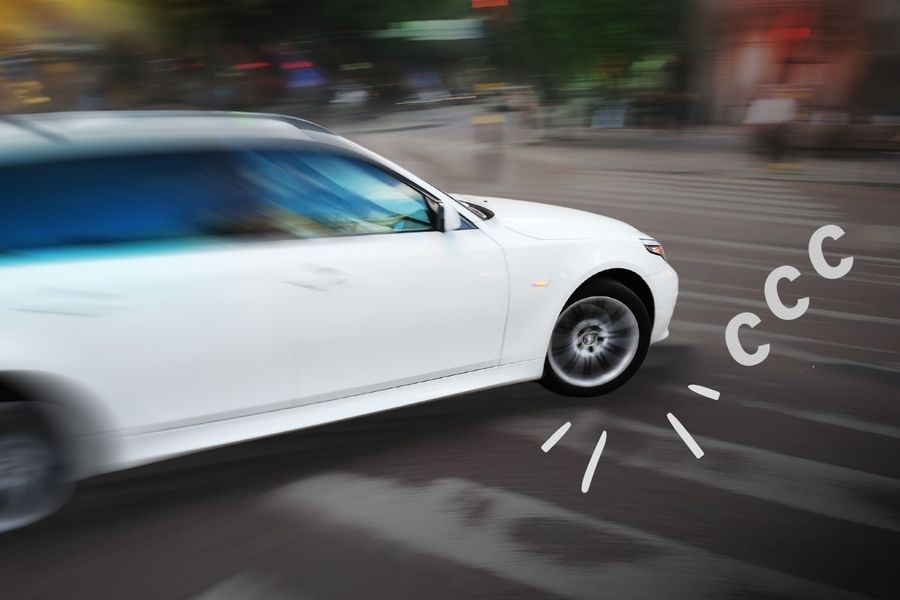
If your car makes a clicking, popping, or clunking noise when you turn, that’s almost always a sign that something in your drivetrain, suspension, or differential needs attention. It’s not “normal aging” and it usually won’t go away on its own—left alone, it can become a much more expensive repair.
This guide breaks down what those car noises mean, how serious they are, and when North Vancouver drivers should book an inspection at Bruno Automotive.
Quick Answer: What’s That Clicking or Clunking Noise?
Most of the time, noises while turning point to one of these:
- Worn CV joints or CV axles (most common clicking in turns)
- Differential or transfer case issues (clunks, binding, or howling)
- Loose or worn suspension/steering parts (ball joints, control arm bushings, etc.)
- Failing wheel bearings
If the car noise is repeatable (you hear it every time you turn a certain way), it’s a strong sign something is worn and needs inspection.
How Your Differential & CV Joints Work (In Simple Terms)
When you turn, the inside and outside wheels travel different distances. Your differential allows each wheel to rotate at a different speed while still getting power from the engine. Inside the differential are gears and bearings lubricated by thick gear oil.
On front-wheel-drive and many all-wheel-drive vehicles, CV joints and axles connect the transmission/differential to the wheels. CV joints let the wheels:
- Turn left and right
- Move up and down with the suspension
- Still receive smooth power from the engine
They’re packed with grease and protected by rubber CV boots. When a boot tears, grease escapes, dirt gets in, and the joint wears out—often causing that classic click-click-click in a turn.
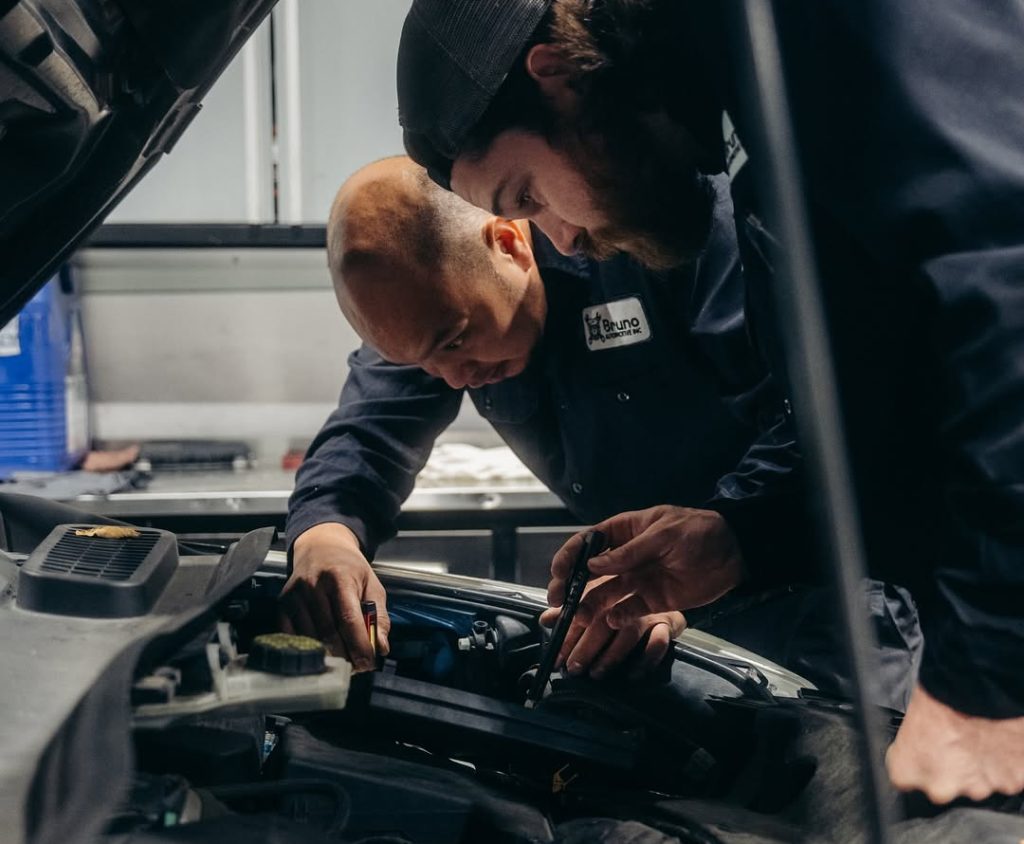
Common Car Noises & What They Usually Mean
1. Sharp clicking in tight turns: likely outer CV joint
What you’ll notice:
- Repetitive clicking or snapping while turning, especially at low speeds
- Louder on tight turns (parking lots, U-turns, driveways)
- Often worse when you gently accelerate through the turn
2. Dull clunk or shudder: inner CV joint, axle, or mount issues
If you feel or hear a clunk when going on and off the gas, or a shudder under acceleration that sometimes gets worse at highway speeds, the cause may be:
- Inner CV joint wear
- Excess play in the axle
- Worn engine or transmission mounts
3. Heavy clunking or binding in turns: differential or transfer case
When the differential or transfer case is the problem, the noise feels deeper and more “mechanical”:
- Clunking or banging from underneath, especially in low-speed tight turns)
- The vehicle may bind, hop, or feel like it’s fighting the turn
- You might also hear a whine or howl that changes with speed
- Low or old differential fluid
- Worn ring-and-pinion gears
- Failing carrier or pinion bearings
- Issues with an AWD coupling or centre differential
4. Clunks & groans from suspension or steering
Not every turning noise comes from the differential. Common non-drivetrain causes include:
- Worn ball joints – clunking and play in the front end
- Cracked control arm bushings – thuds over bumps, unstable feel
- Loose sway bar links – rattles and clunks, especially on uneven roads
- Failing wheel bearings – growling noise that often gets louder when you turn one way
Is It Safe to Keep Driving With These Noises?
It depends on the severity, but in general:
- A light, occasional noise that just started may give you a bit of time—but it’s still a warning.
- A loud, frequent, or worsening noise, especially paired with vibration, pulling, or fluid leaks, means you should book an inspection as soon as possible.
Risks of waiting include:
- Complete CV joint/axle failure
- Catastrophic differential or bearing damage
- Loss of power to the wheels
- Higher repair costs from collateral damage
If something suddenly gets much louder or the vehicle feels unstable, avoid highway driving and have it checked promptly.
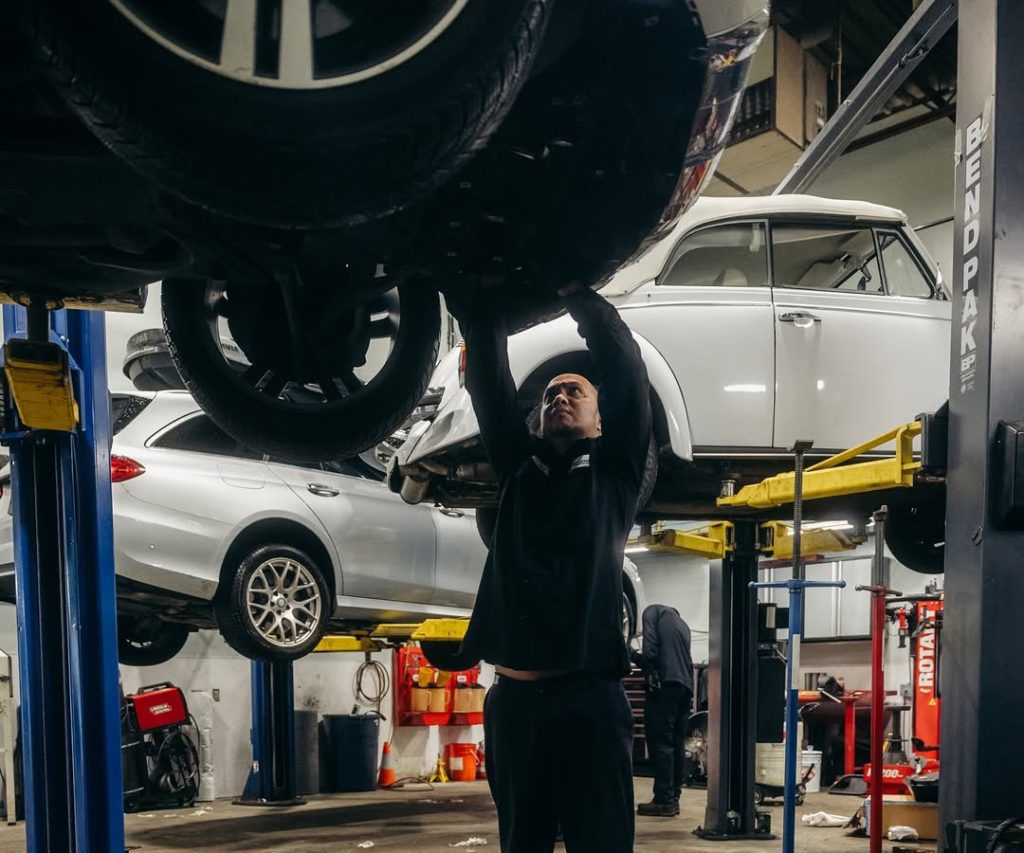
Preventing Differential & CV Problems
While you can’t prevent all wear, you can reduce the chances of major failures:
- ✔ Follow factory intervals for differential and transfer case fluid changes
- ✔ Have CV boots, suspension, and steering components inspected at regular service visits
- ✔ Address small noises early, before they lead to broken parts or uneven tire wear
- ✔ For all-wheel-drive vehicles, don’t overlook driveline fluid services—they’re key to longevity
Think of it like dental care: small maintenance now, or big repairs later.
Strange Noises When Turning? We’ve Got You Covered in North Vancouver.
If your vehicle clicks, pops, or clunks during turns—or feels like it’s binding at low speeds—it’s time to have your differential, CV joints, and suspension inspected.
Want to buy a used car? A used car inspection for hidden issues can help identify problems before purchase.
Contact Bruno Automotive to schedule a drivetrain inspection, get a clear and honest diagnosis, and keep your car safe, smooth, and quiet on North Vancouver’s streets and hills.
Give us a call (604) 986-7975 to speak with our team.