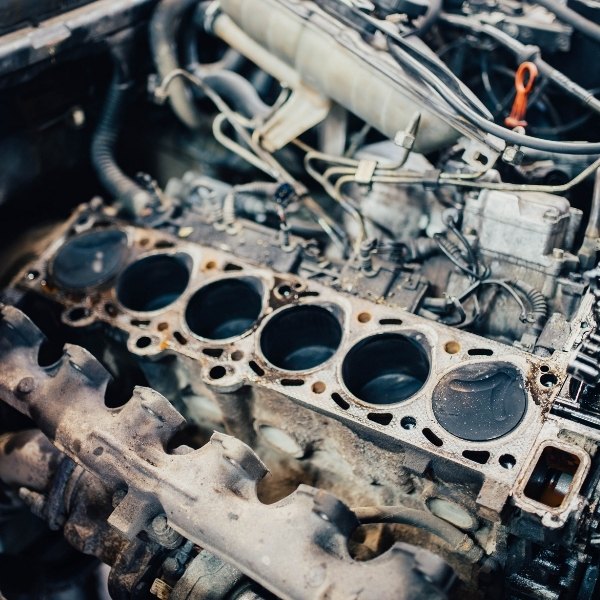
A blown head gasket is one of the most serious and expensive engine problems a driver can face. The scary part? Most blown gaskets originate from small issues, such as slight overheating, coolant loss, or white smoke from the exhaust. If you catch the early warning signs, you can often prevent severe engine damage and avoid thousands of dollars in repairs.
At Bruno Automotive, we regularly help drivers who come in with overheating issues, coolant leaks, or misfires—only to discover the head gasket is failing. This guide breaks down the early symptoms, why head gaskets fail, and what you should do if you suspect your engine is in trouble.
What Does a Head Gasket Do?
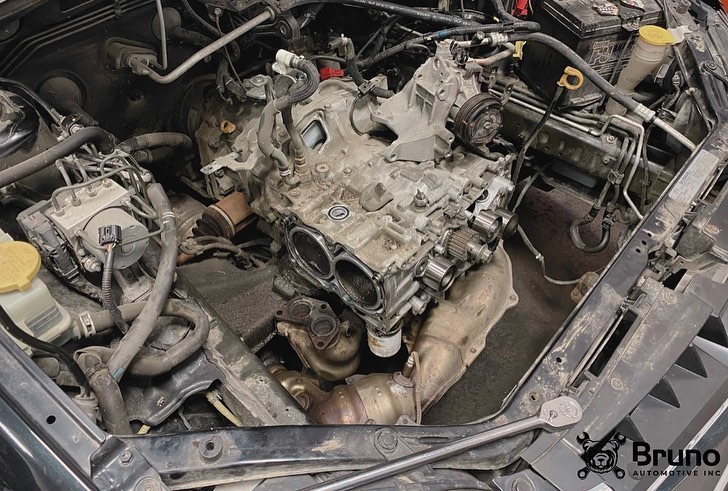
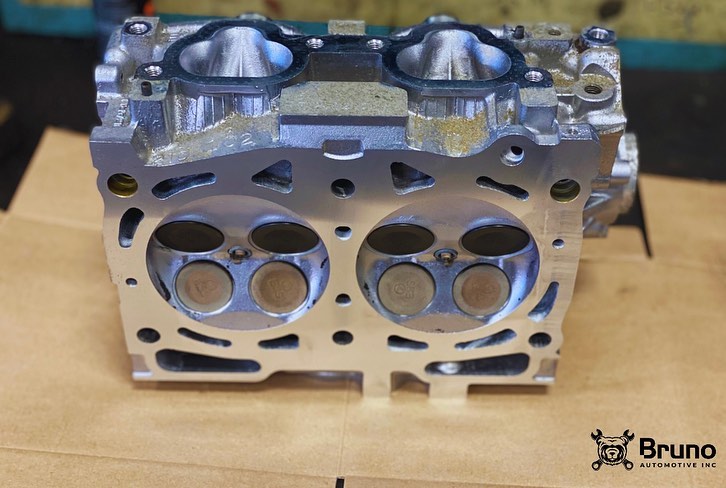
The head gasket is a critical seal between the engine block and cylinder head. Its job is to:
- Keep combustion pressure inside the engine
- Keep coolant and oil separated
- Prevent leaks between cylinders
- Maintain engine compression
When the gasket fails, these systems mix—and that’s when real damage begins.
Major Warning Signs of a Blown Head Gasket
1. White Smoke Coming From the Exhaust
If you see thick white smoke billowing out of the exhaust pipe, it’s almost always a sign of coolant burning inside the engine.
This happens when the gasket fails, and coolant enters the cylinders, causing:
- Heavy white steam
- Sweet smell from the exhaust
- Smoke that gets worse as the engine warms up
2. Engine Overheating
Overheating is both a cause and symptom of a blown head gasket. You may notice:
- Temperature gauge climbing into the red
- Car overheating even after adding coolant
- Coolant being pushed out of the overflow tank
- Radiator bubbling or gurgling
3. Milky Oil (Coolant Mixing With Oil)
Check your oil dipstick or oil cap. If you see:
- Light brown “milkshake”-looking oil
- Thick, frothy residuel
- Moisture inside the oil cap
4. Coolant Loss With No Visible Leaks
If your coolant level keeps dropping but you don’t see drips under the car, the coolant may be leaking internally into the engine. Signs include:
- Low coolant warning light
- Need to top up coolant frequently
- Wet spark plugs
- Sweet smell inside the cabin or under the hood
5. Rough Idling or Engine Misfires
A blown gasket often lets coolant or compression leak between cylinders, causing:
- Hard starting
- Rough idlel
- Engine shaking
- Poor acceleration
- Misfire codes
6. Bubbles in the Radiator or Coolant Reservoir
With the engine running, you might see:
- Continuous bubbles in the coolant tankl
- Coolant pushing back out
- Over-pressurized cooling system
Why Do Head Gaskets Fail?
Most head gasket failures come from heat. Common causes:
Engine Overheating
Overheating warps the cylinder head and crushes the gasket.
Low Coolant Levels
If your coolant is low, the engine runs hotter—leading to gasket breakdown.
Poor Cooling System Maintenance
Old coolant, a weak water pump, or clogged radiator accelerate gasket wear.
High Mileage / Old Vehicles
Older vehicles naturally develop gasket fatigue.
Turbocharged Engines
Higher cylinder pressures increase gasket stress.
Can You Still Drive With a Blown Head Gasket?
NO.
Driving with a blown head gasket can lead to:
- Complete engine failure
- Warped cylinder head
- Cracked engine block
- Total engine replacement
Even driving “just a little more” is risky. Small leaks become catastrophic very quickly.

Preventing a Blown Head Gasket
You can reduce risk with simple maintenance:- Check coolant levels monthly
- Do regular cooling system flushes
- Replace worn thermostats or water pumps early
- Address overheating immediately
- Bring your car in if you see white smoke or misfires
Experiencing Overheating, White Smoke, or Coolant Loss? Contact Bruno Automotive.
If your car is overheating or showing signs of a potential head gasket failure, don’t wait. Early diagnosis is the key to saving your engine.
Bruno Automotive –North Vancouver’s Trusted Auto Repair Shop
📍 Conveniently located for drivers in North Vancouver and West Vancouver
🔧 Expert technicians & transparent diagnostics
🚗 Honest recommendations — no upselling, ever
Protect your engine before damage becomes irreversible. Bruno Automotive is here to help.
Call (604) 986-7975 to speak with our team or book your appointment now.