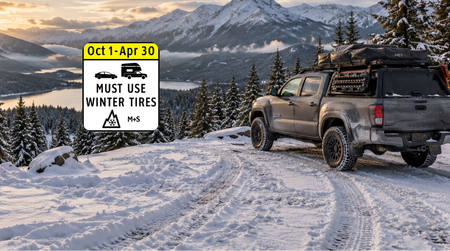
All-terrain tires are one of the most popular upgrades for trucks, Jeeps, and SUVs. They look aggressive, handle gravel and dirt roads well, and offer more versatility than regular highway tires. But when winter arrives in British Columbia, many drivers start asking the same question: Are all-terrain tires actually good in snow?
The answer is yes, but not all all-terrain tires perform the same way in winter.
For North Vancouver drivers who use their trucks or SUVs for daily commuting, mountain trips, camping, and weekend adventures, choosing the right tires is about more than appearance. Your tires need to handle wet roads, cold temperatures, slush, snow, and sometimes ice without sacrificing too much everyday comfort.
Whether you drive a Jeep Wrangler, Toyota 4Runner, Tacoma, Ford Bronco, Land Rover, Subaru, or pickup truck, understanding the difference between all-terrain and winter tires can help you make a better decision.
At Bruno Automotive, an off-road vehicle modifications specialist in North Vancouver, we help drivers choose practical upgrades that match how they actually use their vehicles.
Are All-Terrain Tires Good in Snow?
All-terrain tires are designed to provide traction on different surfaces, including pavement, gravel, dirt, and light off-road trails.
Their larger tread blocks, wider grooves, and more aggressive patterns can help improve traction in loose snow compared with many regular highway tires.
However, snow performance varies significantly between tire models.
Some all-terrain tires are designed mainly for warmer-weather off-roading, while others are built to handle winter conditions.
All-terrain tires can offer advantages such as:
- Better traction on gravel and loose surfaces
- Improved grip in light or unpacked snow
- More durability on rough roads
- Stronger sidewall options
- Better versatility for everyday driving and weekend adventures
- More confidence on forest service roads and snowy trailheads
The important thing to remember is that an aggressive-looking tire does not automatically mean it is a good winter tire.
Tread design, rubber compound, winter certification, and tire condition all make a difference.

What Does the Three-Peak Mountain Snowflake Symbol Mean?
If you are shopping for all-terrain tires for winter driving, one of the most important things to look for is the three-peaked mountain snowflake symbol (3PMSF).
This marking indicates that the tire meets a recognized snow-traction performance standard.
Many newer all-terrain tires carry this certification, making them more suitable for winter use than all-terrain tires designed primarily for dirt, gravel, or mud.
There are two common tire markings to understand:
M+S (Mud and Snow):
Meets BC's minimum winter tire marking requirement, but does not necessarily indicate tested severe-snow performance.
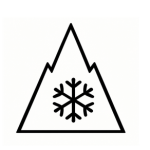
3PMSF (Three-Peak Mountain Snowflake):
Meets a specific snow-traction performance standard and is generally a better choice for drivers expecting snowy conditions.
However, a three-peak mountain snowflake rating does not mean an all-terrain tire performs exactly like a dedicated winter tire, particularly on ice.
For drivers who regularly travel to Whistler, the BC Interior, or mountain highways, winter-rated all-terrain tires are worth considering, but dedicated winter tires may still be the safer choice.
Do All-Terrain Tires Meet BC Winter Tire Requirements?
Yes, many all-terrain tires meet BC’s winter tire requirements, but you need to check the markings and tread depth.
In British Columbia, qualifying winter tires are required on designated highways from October 1 to March 31, with certain routes requiring them until April 30.
To qualify, tires must:
- Display the M+S marking or three-peaked mountain snowflake symbol
- Have at least 3.5 mm of tread depth
- Meet the applicable tire requirements for the vehicle
This means an all-terrain tire with an M+S marking and sufficient tread depth may be legally acceptable on designated BC highways.
However, legal compliance and real-world winter performance are not the same.
A tire that meets the minimum legal requirement may still struggle on ice, packed snow, or steep mountain roads.
For drivers travelling along the Sea-to-Sky Highway, Coquihalla, or other mountain routes, choosing a tire with strong winter performance is more important than simply meeting the minimum requirement.
For a full explanation of the regulations, read our Winter Tire Requirements in BC: What You Need to Know.
The high-voltage hybrid battery is one of the most important components in the vehicle.
Hybrid batteries do not normally require routine replacement at a specific short interval, but the battery system and related components can develop problems as the vehicle ages.
Signs of a potential hybrid battery or electrical-system issue may include:
- Hybrid system warning lights
- Reduced fuel economy
- Noticeable loss of electric assistance
- Battery charge changing unusually quickly
- Reduced vehicle performance
- Difficulty starting or entering READY mode
- Charging or electrical fault messages
Proper diagnostics are important because a warning light does not automatically mean the entire hybrid battery needs replacement.
All-Terrain Tires vs. Winter Tires: What's the Difference?
All-terrain tires and dedicated winter tires are designed for different purposes.
All-terrain tires balance on-road comfort with off-road capability. Winter tires focus more specifically on traction in cold temperatures, snow, and ice.
All-Terrain Tires
✅ Best for: Trucks and SUVs used for both daily driving and light off-road adventures. All-terrain tires are a good choice for drivers who regularly encounter gravel roads, camping routes, uneven surfaces, and occasional snow. They offer year-round convenience, but winter performance depends on the specific model.Dedicated Winter Tires
✅ Best for: Frequent snow, ice, mountain travel, and prolonged freezing temperatures. Winter tires use specialized rubber compounds and tread designs to improve traction in cold conditions. They generally provide better braking and handling on ice and packed snow than all-terrain tires.Which Is Better?
If your truck or SUV spends most of its time around North Vancouver with occasional gravel roads and mild winter conditions, a quality 3PMSF-rated all-terrain tire may be a practical option.
If you regularly drive through heavy snowfall, icy highways, or mountain passes, dedicated winter tires are
Are Mud-Terrain Tires Good for Winter Driving?
- Reduced grip on icy roads
- Less predictable braking on packed snow
- Increased road noise
- Rougher highway driving
- Less effective traction on slippery pavement
Does 4WD or AWD Make Winter Tires Less Important?
- Acceleration: 4WD can help move the vehicle forward on slippery surfaces.
- Braking: Stopping performance still depends heavily on tire grip.
- Cornering: AWD does not prevent sliding when traction is lost.
- Snow and ice: Winter-rated tires generally provide more predictable traction in challenging conditions.
- Vehicle weight: Heavy trucks and SUVs require additional stopping distance, especially on slippery roads.
What About Larger Tires and Lifted Trucks in Winter?
Larger tires and suspension lifts are common upgrades for trucks and SUVs, but they can also change how a vehicle behaves in winter.
Oversized tires may affect steering response, braking, acceleration, fuel economy, and overall handling. Wider tires are not automatically better in snow, particularly on packed snow or slippery pavement.
Before installing larger all-terrain tires, consider:
- Correct tire size and load rating
- Wheel and suspension clearance
- Vehicle alignment
- Brake performance
- Tire pressure requirements
- Speedometer accuracy
- Added weight and drivetrain strain
For many daily drivers, a moderate tire upgrade combined with properly maintained suspension and steering components is more practical than installing the largest tires possible.
At Bruno Automotive, our off-road upgrade services focus on improving real-world capability without compromising everyday usability.
Book an off-road vehicle inspection before making major tire or suspension changes.

Choosing the Right Tires for Your BC Driving Habits
Daily Driving in North Vancouver
For commuting around North Vancouver, West Vancouver, Burnaby, and the Lower Mainland, 3PMSF-rated all-terrain tires may provide a good balance of comfort, durability, and occasional winter capability.
Frequent Whistler and Interior Trips
For regular mountain driving, dedicated winter tires are generally recommended.
Even 3PMSF-rated all-terrain tires may not match dedicated winter tires on icy roads or during severe winter conditions.
Weekend Camping and Forest Service Roads
If you regularly travel on gravel roads, access camping areas, or drive to trailheads, all-terrain tires can provide better versatility than regular highway tires. Choose a model that balances off-road traction with wet-road and winter performance.Serious Off-Road Adventures
For more demanding off-road conditions, tire selection should consider terrain, ground clearance, sidewall durability, and recovery requirements.
A separate winter tire setup may still be appropriate for highway driving during colder months.
Don't Forget Tire Pressure, Alignment and Suspension
Choosing the right tires is only part of winter preparation.
Cold temperatures can lower tire pressure, while worn suspension components or incorrect wheel alignment can affect vehicle handling and tire wear.
Before winter driving, it is smart to inspect:
- Tire tread depth and condition
- Tire pressure
- Wheel alignment
- Shocks and struts
- Suspension bushings and joints
- Steering components
- Brake pads and rotors
- Wheel bearings
- 4WD or AWD system operation
These checks are especially important for lifted trucks, modified SUVs, and vehicles running oversized tires.
Proper maintenance helps your tires perform as intended and can prevent small problems from becoming expensive repairs.

Frequently Asked Questions About All-Terrain Tires and Winter Driving in BC
Are all-terrain tires good in snow and ice?
All-terrain tires can perform well in light to moderate snow, especially models designed for winter conditions and carrying the three-peaked mountain snowflake (3PMSF) symbol.
Their aggressive tread patterns and larger grooves can help provide traction in loose snow, gravel, and uneven terrain. However, performance varies significantly depending on the tire’s rubber compound, tread design, and condition.
Ice presents a different challenge. Even winter-rated all-terrain tires may not provide the same braking and cornering grip as dedicated winter tires, particularly on black ice or hard-packed snow.
For truck and SUV owners who primarily drive around North Vancouver and occasionally encounter snow, quality winter-rated all-terrain tires can be a practical choice. If you frequently travel to Whistler, mountain highways, or areas with prolonged freezing temperatures, dedicated winter tires are generally the better option.
Are all-terrain tires legal for winter driving in BC?
Yes. All-terrain tires can meet British Columbia’s winter tire requirements if they display either the M+S (Mud and Snow) marking or the three-peaked mountain snowflake symbol and have at least 3.5 mm of tread depth.
BC requires qualifying winter tires on designated highways between October 1 and March 31, with some routes extending the requirement to April 30.
However, not every tire marketed as all-terrain provides the same winter performance. An M+S-rated tire may meet the legal minimum without offering the traction of a dedicated winter tire in icy or snowy conditions.
Before travelling on the Sea-to-Sky Highway, Coquihalla, or other designated routes, check your tire markings, tread depth, and the current provincial requirements.
For more information, read our Winter Tire Requirements in BC: What You Need to Know.
Are all-terrain tires better than all-season tires in snow?
All-terrain tires are not automatically better than all-season tires in snow. Their performance depends on the specific tire model and whether it has been designed and tested for winter conditions.
All-terrain tires often feature deeper tread patterns and larger grooves that can help with traction in loose snow, gravel, and off-road environments. However, some regular all-season tires may provide better wet-road handling, braking, and ride comfort.
A 3PMSF-rated all-terrain tire may offer stronger snow traction than a conventional M+S all-season tire, but it is important to compare actual tire performance rather than relying only on the category.
For a daily-driven Toyota 4Runner, Jeep Wrangler, Ford Bronco, or pickup truck, the best choice depends on how much time the vehicle spends on highways compared with gravel roads, trails, or snowy mountain routes.
Do I need winter tires if my truck or SUV has 4WD or AWD?
Yes, appropriate winter tires are still important even if your truck or SUV has four-wheel drive or all-wheel drive.
The main advantage of 4WD and AWD is improved traction when accelerating. These systems help distribute engine power between the wheels, making it easier to get moving on slippery surfaces.
However, they do not automatically improve braking traction or prevent a vehicle from sliding through
Looking for Truck and SUV Upgrades in North Vancouver?
Bruno Automotive helps North Vancouver drivers keep their trucks, Jeeps, and SUVs ready for daily commuting, camping trips, mountain roads, and off-road adventures.
Whether you are considering all-terrain tires, larger wheels, suspension upgrades, or a winter vehicle inspection, the right setup should improve capability without sacrificing safety, reliability, or everyday comfort.
As North Vancouver’s off-road vehicle modification specialists, we focus on practical recommendations based on your vehicle, driving habits, and intended use.