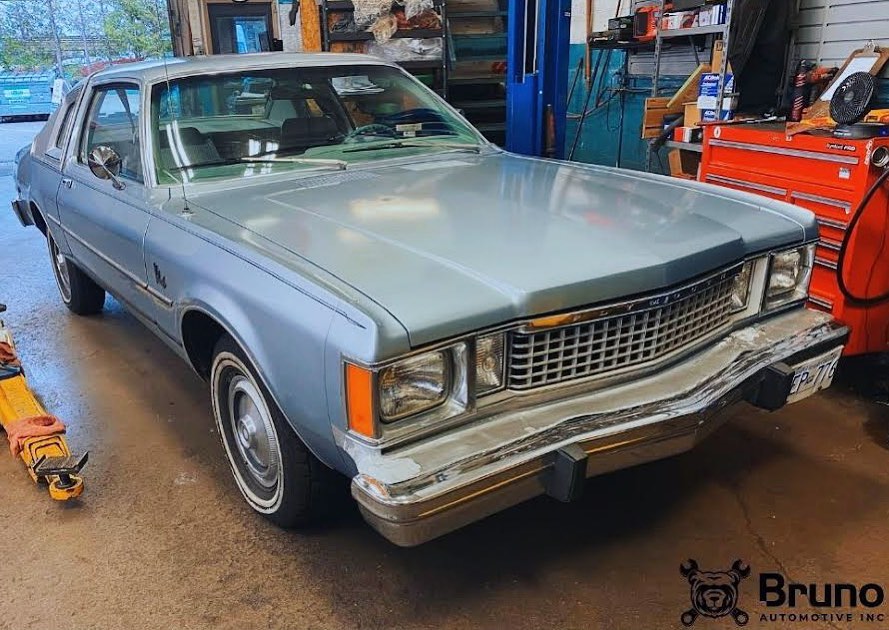
For many classic car owners, September is the time to start thinking about winter storage. The weather is still good enough for a few final drives, but the wet season is coming. In North Vancouver and across the Lower Mainland, moisture, cold starts, short trips, battery drain, and long periods of sitting can be hard on older vehicles.
Whether you own a classic muscle car, vintage European car, collector truck, weekend cruiser, or older convertible, proper winter storage helps protect the engine, fuel system, battery, brakes, tires, paint, interior, and long-term value of the vehicle.
At Bruno Automotive in North Vancouver, we help classic car owners prepare their vehicles properly before they go into winter mode.
Why Classic Cars Need Winter Storage Prep
Classic cars are often more sensitive to storage than newer vehicles. Older seals, carburetors, fuel lines, ignition systems, wiring, rubber components, and mechanical parts can be affected by moisture and long periods of inactivity.
A classic car may have driven all summer perfectly, but sitting for several months without preparation can lead to:
- Stale fuel
- Hard starting
- Flat-spotted tires
- Brake sticking
- Moisture inside the cabin
- Surface rust
- Oil leaks
- Rodent damage
- Electrical issues
- Poor spring start-up
The goal of winter storage prep is simple: put the car away clean, dry, protected, and mechanically ready so it starts and drives properly when spring returns.
Start With a Final Inspection
Before storing a classic car, it is smart to do a basic inspection. This helps catch small issues before the vehicle sits for months.
A winter storage inspection may include checking:
- Engine oil condition
- Coolant and antifreeze strength
- Brake fluid condition
- Battery and charging system
- Belts and hoses
- Fuel lines
- Tire condition and pressure
- Brake operation
- Fluid leaks
- Suspension and steering components
- Lights and electrical systems
If the car already has a small leak, weak battery, noisy belt, old coolant, or soft brake pedal, winter storage can make the problem worse. Fixing issues before storage usually makes spring start-up much easier.

Did you know? Bruno Automotive has been providing comprehensive classic car servicing for over 40 years, with a passion for preserving the timeless traits of classic and vintage vehicles.
Change the Oil Before Storage
Fresh oil is one of the best things you can do before putting a classic car away for winter. Used engine oil can contain moisture, fuel dilution, acids, and contaminants from summer driving.
Changing the oil before storage helps protect internal engine parts while the vehicle sits. This is especially important for older engines, cars that only take short trips, and vehicles that have been driven lightly throughout the season.
If the car has a classic engine, modified engine, flat-tappet camshaft, or special oil requirement, the correct oil should be used. Not every modern oil is ideal for every older vehicle.
Protect the Fuel System
Fuel can degrade when a vehicle sits for a long time. This can be especially important for carbureted classic cars or older fuel systems.
Before winter storage, consider:
- Filling the fuel tank
- Adding fuel stabilizer
- Running the engine long enough to circulate treated fuel
- Checking for fuel leaks
- Inspecting old rubber fuel lines
A fuller tank can help reduce condensation inside the tank. Fuel stabilizer can help keep the fuel usable during storage. For carbureted vehicles, fuel condition is especially important because stale fuel can cause hard starts, rough running, or carburetor problems in spring.
Take Care of the Battery
Battery drain is one of the most common classic car storage problems. Older vehicles may not have many electronic systems, but batteries can still discharge over time, especially in cold or damp conditions.
The best approach is usually to connect the battery to a quality battery maintainer or tender. This helps keep the battery charged without overcharging it.
Battery storage tips include:
- Clean the battery terminals
- Check for corrosion
- Use a battery maintainer
- Store the battery in a dry area if removed
- Make sure the battery is secure
- Check battery age before winter
A weak battery in September may become a dead battery by spring. Testing it before storage can prevent frustration later.
Tires and Flat Spot Prevention
When a classic car sits in one position for months, tires can develop flat spots. This is more common with older tires, performance tires, bias-ply tires, and vehicles stored on cold concrete.
Before storage:
- Inflate tires to the proper pressure
- Check for cracks or dry rot
- Inspect tread condition
- Move the vehicle slightly during storage if possible
- Use tire cradles if needed
- Avoid parking on damp surfaces
Some owners choose to raise the vehicle slightly or use tire supports for long-term storage. The right approach depends on the vehicle, tire type, and storage setup.
Brakes, Moisture, and Parking Brake Use
Moisture can affect brake components during winter storage. Brake rotors and drums can develop surface rust, and parking brakes can sometimes stick if left engaged for months.
Before storing the car, make sure the brakes feel normal and the brake fluid is in good condition. Brake fluid absorbs moisture over time, which can affect braking performance and internal components.
For storage, many owners avoid leaving the parking brake engaged. Instead, use wheel chocks on a level surface when safe to do so. This can help reduce the chance of the parking brake sticking.
Clean the Exterior and Interior
Do not store a classic car dirty. Dirt, road grime, bird droppings, tree sap, brake dust, and moisture can damage paint, chrome, trim, and wheels over time.
Before putting the vehicle away:
- Wash and dry the exterior
- Clean the wheels and wheel wells
- Apply wax or paint protection
- Vacuum the interior
- Remove food, garbage, and loose items
- Clean leather, vinyl, or fabric surfaces
- Make sure the cabin is dry
Moisture control matters in North Vancouver. A damp interior can lead to musty smells, mildew, and electrical issues. A breathable car cover is usually better than a plastic tarp, which can trap moisture against the vehicle.

Watch for Rodents 🐀
Classic cars can attract rodents during colder months, especially if they are stored in garages, sheds, or covered areas. Rodents can damage wiring, insulation, upholstery, and air ducts.
Classic car owners can reduce risk by:
- Remove food from the vehicle
- Clean the interior thoroughly
- Seal obvious entry points
- Keep the storage area tidy
- Check the car occasionally
- Be careful with any intake or exhaust plugs and remove them before starting
Rodent damage can become expensive, especially on older wiring harnesses and hard-to-find interior parts.
Should You Start the Car During Winter?
Many classic car owners ask if they should start the car every few weeks. The answer depends on how the vehicle is stored.
Short starts can sometimes do more harm than good if the engine does not fully warm up. A brief idle can create condensation in the exhaust and engine without burning it off properly.
If you plan to start the vehicle during winter, let it reach full operating temperature and avoid revving a cold engine. If the car is properly stored and on a battery maintainer, it may be better to leave it alone until spring unless there is a reason to run it.
Did you know? Bruno Automotive has over 40 years of experience servicing classic cars, with comprehensive knowledge of aging components, limited parts, uncommon engineering, and vintage mechanical systems.
Classic Car Winter Storage FAQs
When should I prepare my classic car for winter storage?
September is a good time to start. It gives you enough time for a final inspection, oil change, fluid check, battery setup, cleaning, and any small repairs before wet winter weather arrives.
When should I prepare my classic car for winter storage?
September is a good time to start. It gives you enough time for a final inspection, oil change, fluid check, battery setup, cleaning, and any small repairs before wet winter weather arrives.
Should I leave the fuel tank full during winter storage?
In many cases, yes. A full tank with fuel stabilizer can help reduce condensation and protect the fuel system while the car sits.
Do classic cars need a battery tender?
A battery tender or maintainer is strongly recommended. It helps prevent the battery from going dead during storage.
Is it bad to start a classic car in winter storage?
Short starts are not ideal. If the car is started, it should reach full operating temperature. Otherwise, proper storage and a battery maintainer may be better than occasional short idling.
Can Bruno Automotive help prepare a classic car for winter storage?
Yes. Bruno Automotive can inspect your classic car, check fluids, brakes, battery, tires, leaks, belts, hoses, and help prepare it for winter storage in North Vancouver.
Looking for Classic Car Servicing in North Vancouver?
Bruno Automotive provides classic car servicing, inspections, maintenance, and winter storage preparation in North Vancouver.
If your classic car is ready to go back into winter mode, book an appointment before storing it. A proper inspection and storage prep can help protect the vehicle through the wet, wintery season and make spring start-up much easier.
💡 Did you know? Bruno Automotive offers classic car restoration services to address mechanical, structural, electrical, and cosmetic needs.