
If you notice oil leaking from your engine, a burning oil smell, or smoke from under the hood, one of the most common causes is a failing valve cover gasket or a cracked valve cover. These components sit at the top of your engine and are responsible for sealing in oil while protecting internal components.
Drivers across North Vancouver and West Vancouver often experience this issue as vehicles age. At Bruno Automotive, valve cover and gasket leaks are among the most common engine oil leak repairs across all makes and models.
What Is a Valve Cover and What Does It Do?
The valve cover sits on top of your engine and seals the valvetrain components. It serves two key functions: Protecting Internal Components – Shields camshafts, valves, and other parts from dirt and debris Sealing Engine Oil – Keeps oil inside the engine and prevents leaks Between the valve cover and engine sits the valve cover gasket, which creates a tight seal to prevent oil from escaping. Over time, both the gasket and the cover itself can wear out and fail.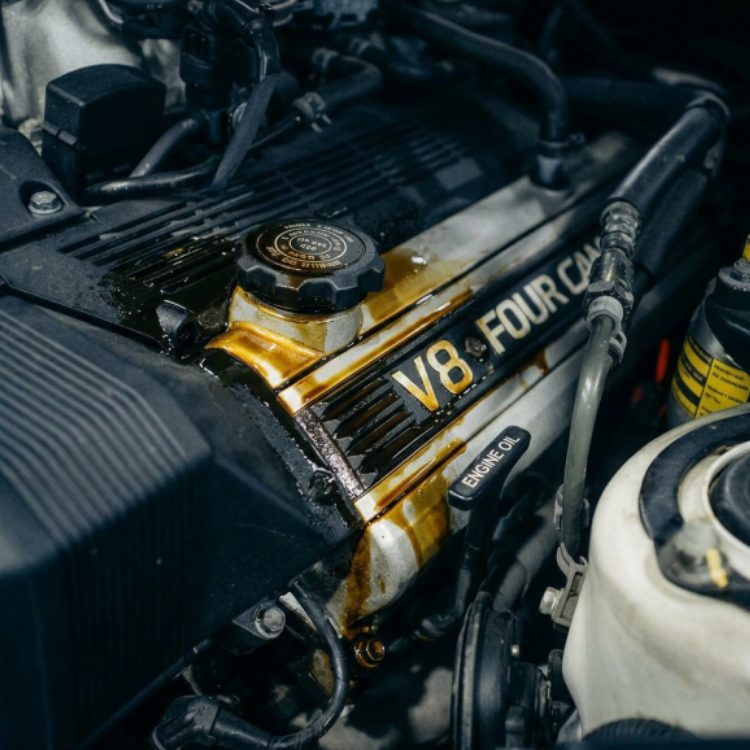
Why Valve Cover Gaskets Fail
Valve cover gasket failure is extremely common and usually happens gradually.
Heat and Age
Engines generate constant heat. Over time, the rubber gasket becomes brittle, hard, and cracks.
Oil Exposure
Continuous contact with engine oil causes the gasket material to degrade and lose flexibility.
Engine Pressure (PCV Issues)
If the crankcase ventilation system is restricted, pressure builds up inside the engine and forces oil past the gasket.
Improper Installation or Wear
Over-tightening, uneven surfaces, or normal wear can weaken the seal and lead to leaks.
What Causes Valve Cover Failure
In some cases, the valve cover itself fails—not just the gasket.
Common causes include:
- Cracked plastic valve covers due to heat cycling
- Warping from engine temperature changes
- Integrated PCV system failure (common on many modern engines)
- Seal failure around built-in components
Modern vehicles often use plastic valve covers, which are more prone to cracking compared to older metal designs.
Common Symptoms of a Valve Cover or Gasket Leak
Drivers experiencing this issue may notice:
- Burning oil smell, especially after driving
- Oil is visible around the top of the engine
- Oil is leaking onto the exhaust components
- Light smoke from the engine bay
- Low engine oil levels
- Engine misfires (oil leaking into spark plug wells)
These symptoms will usually worsen over time if not addressed.
Where the Oil Leak Comes From
Valve cover leaks typically appear in specific areas:
- Around the edges of the valve cover
- Near ignition coils or spark plugs
- Dripping onto the exhaust manifold (causing a burning smell)
- Pooling oil on top of the engine
Because these problems can feel similar, a proper inspection is important before replacing parts.
What Happens If You Ignore a Valve Cover Leak
A small oil leak can quickly turn into a bigger problem. Ignoring it can lead to:
▪️Oil dripping onto hot engine parts (fire risk) ▪️Damage to ignition components ▪️Engine misfires and rough running ▪️Low oil levels leading to engine wear ▪️Contamination of other engine components
Early repair helps prevent more expensive issues.
Valve Cover vs Valve Cover Gasket — What Gets Replaced?
Depending on the issue:
Gasket replacement – when the rubber seal has failed
Full valve cover replacement – when the cover is cracked, warped, or has integrated PCV failure
A proper inspection determines which repair is needed before replacing parts.
FAQ
Why is oil leaking from the top of my engine?
- Harden and lose flexibility
- Crack or shrink
- Fail to maintain a proper seal
- Cracked or warped valve cover
- Clogged or failing PCV system creating excess pressure
- Loose or improperly torqued valve cover bolts
- Oil leaking into spark plug tubes
Is it safe to drive with a valve cover gasket leak?
In early stages, the vehicle may still be drivable, but it’s not recommended to ignore it.
What starts as a minor leak can quickly lead to:
- Oil dripping onto hot exhaust components (burning smell or smoke)
- Fire risk in more severe cases
- Oil entering spark plug wells, causing misfires
- Gradual oil loss leading to low oil levels
- Increased engine wear due to insufficient lubrication
If the leak is small, you may not notice immediate drivability issues, but over time it can turn into a more serious and expensive repair. Early inspection is always the safer option.
How much does valve cover gasket replacement cost?
The cost varies depending on the vehicle, engine design, and whether additional components need to be addressed.
Factors that affect cost include:
- Engine layout (inline vs V6/V8)
- Accessibility of the valve cover
- Whether the valve cover itself also needs replacement
- Integrated components like PCV systems
Labor time required to remove surrounding parts
Some vehicles have simple access and lower labor time, while others require removing multiple components, increasing overall cost. A proper inspection will determine the exact repair needed.
How long does a valve cover gasket last?
Most valve cover gaskets last between 80,000 to 150,000 km, but lifespan can vary depending on driving conditions and engine design.
Factors that affect longevity include:
- High engine temperatures over time
- Frequent short trips (more heat cycles)
- Engine design and materials used
- Quality of previous repairs or parts
As the gasket ages, it gradually loses elasticity and sealing ability. Small leaks often develop first, followed by more noticeable oil seepage if not addressed.
Regular inspections can catch early signs of failure before they turn into larger leaks.
Oil Leak in North Vancouver or West Vancouver? Contact Bruno Automotive
If you notice oil leaking from your engine or smell burning oil, it’s best to have it inspected early.
Contact Bruno Automotive – North Vancouver’s Trusted Auto Repair Shop
Call (604) 986-7975 to speak with our team or book your appointment today.